-
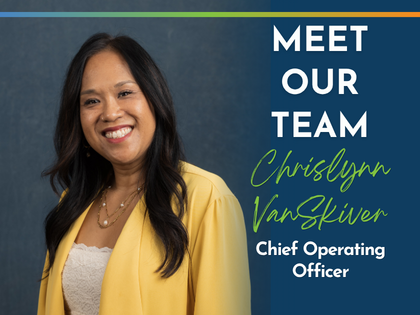
Meet Chrislynn VanSkiver: Chief Operating Officer
Meet Chrislynn VanSkiver, Chief Operating Officer at Second Harvest, and learn about her role and how the Food Bank’s operations team moves nutritious food to Orange County with efficiency and dignity! Read More -
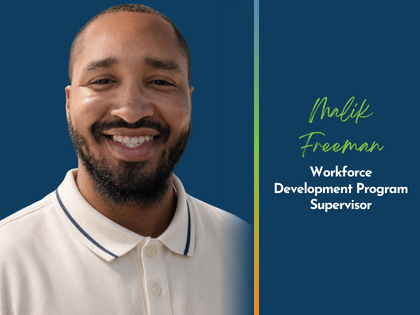
Meet Malik Freeman: Workforce Development Program Supervisor
Meet Malik Freeman, Workforce Development Program Supervisor at Second Harvest, and learn how our workforce development program, College Corps and Cultivate help people build skills, confidence and careers while getting more nutritious food into the community! Read More -
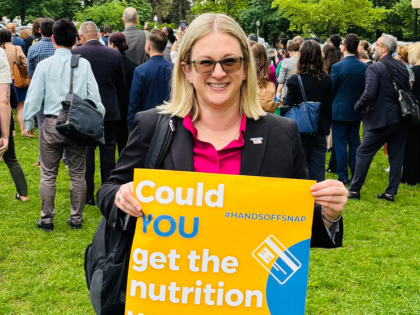
Meet Malia Cary: Director of Government Affairs and Community Relations
Meet Malia Cary, Director of Government Affairs and Community Relations at Second Harvest, and learn about her role and how advocacy helps create an Orange County with food and nutritional security for all! Read More -
The Need Is Growing: New Data Reveals Rising Food Insecurity Across Orange County
Food insecurity in Orange County rose 6% in 2024, with child hunger up 27%. Second Harvest breaks down the latest Map the Meal Gap data. Read More -
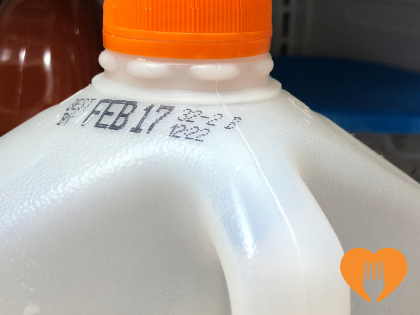
Clearer Labels, Less Waste: What California’s AB 660 Means for Orange County
California's AB 660 replaces confusing food date labels with two clear terms in 2026. See what it means for food waste in Orange County. Read More -
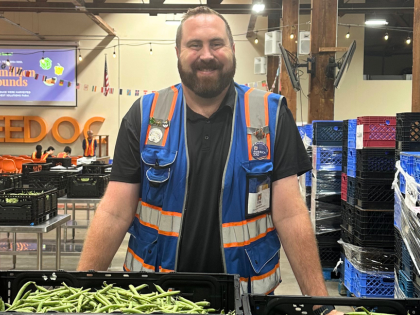
Meet Tim Crosser: Food Processing Supervisor
Meet Tim Crosser, Food Processing Supervisor at Second Harvest, and learn about his role and how volunteers help to create an Orange County with food and nutritional security for all! Read More -
Responding Together: Supporting the Garden Grove Community
See how Second Harvest partnered with local organizations to support the community & provide food assistance during the Garden Grove incident. Read More -
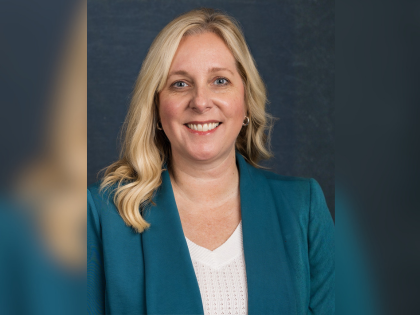
Meet Jennifer Medina: Our Chief People and Culture Officer
Meet Jennifer Medina, Chief People and Culture Officer at Second Harvest, and learn how the her work makes this a great place to work for! Read More -
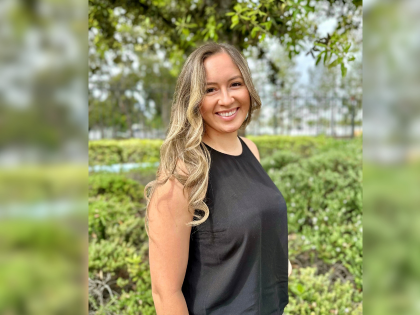
Meet Clarissa Green: Supporting Our Kids Cafe Program
Meet Clarissa Green, Kids Cafe Program Specialist at Second Harvest, and learn how the her work supports children across Orange County. Read More
Meet Tim Crosser: Food Processing Supervisor
Meet Tim Crosser: Food Processing Supervisor
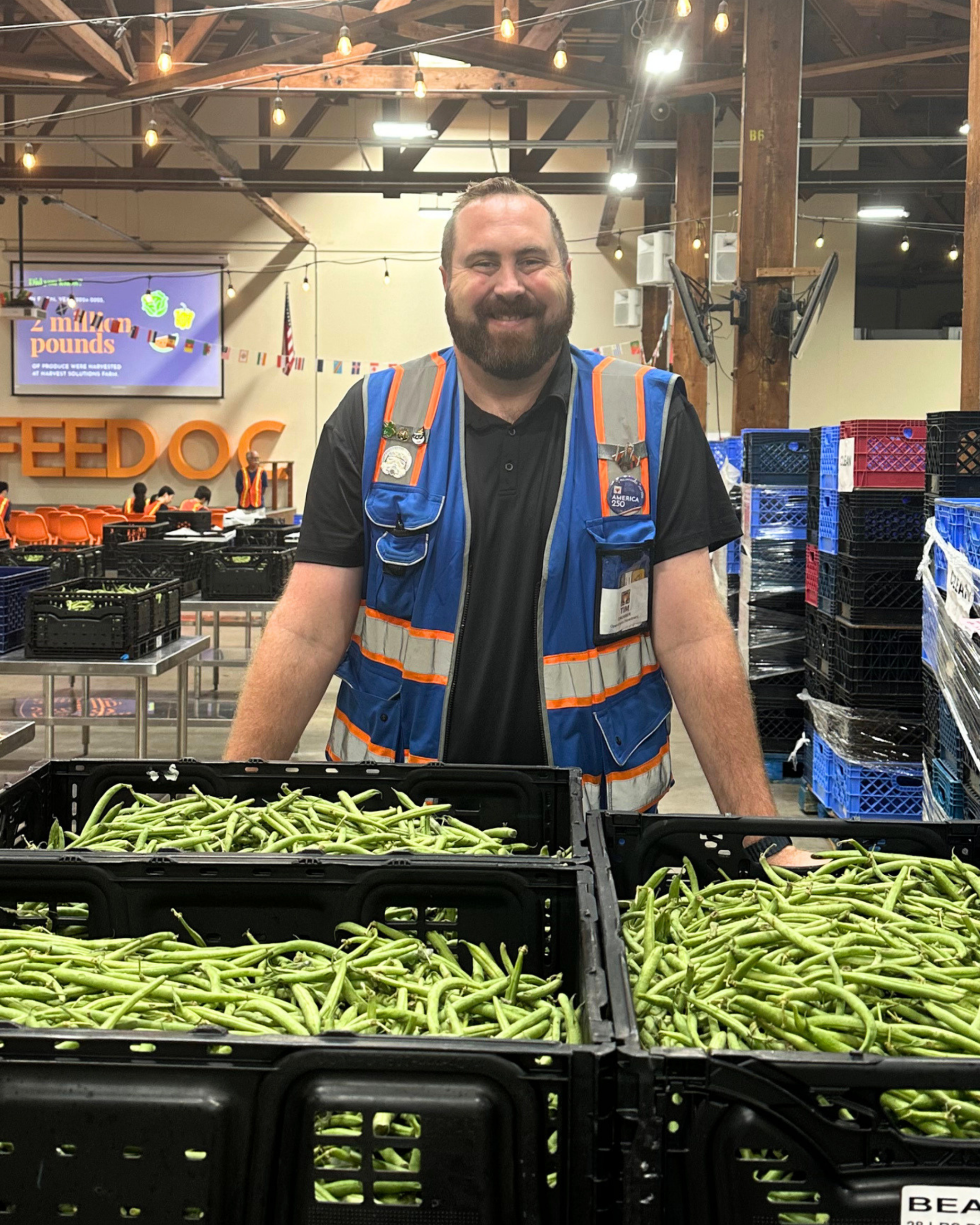
Meet Tim Crosser: Food Processing Supervisor
What’s your role at Second Harvest and how long have you been with the organization?
I’m the Food Processing Supervisor here at Second Harvest, and I just recently hit my one-year anniversary with the organization.
What inspired you to join Second Harvest?
I was first introduced to Second Harvest while working at one of our Partners, South County Outreach. During one of our volunteer days, our team volunteered at Second Harvest’s Distribution Center and I was struck by the scale of the operation and the impact it has across Orange County.
Seeing firsthand how Second Harvest helps ensure community members have access to nutritious food made a lasting impression. After that experience, I knew this was an organization I wanted to be part of.
Tell us about your role as Processing Supervisor. What are your team’s primary responsibilities?
I oversee a team responsible for creating a positive volunteer experience while ensuring every food item we receive, whether harvested, donated or purchased, is safe, high quality and presented with dignity for the community members we serve.
“Processing" can sound technical, but it simply means preparing food that can’t go directly out for distribution. That may include sorting donated produce, repackaging wholesale products into family-sized portions or evaluating food that’s nearing the end of its shelf life. With the help of our volunteers, we prepare these items so they’re ready to reach the community.
What does success look like in your position? At the end of the day, what makes you feel like you’ve done your job well?
Success comes down to three things: getting food to the community quickly, ensuring it’s handled safely and creating a volunteer experience where people feel engaged, valued and connected to our mission.
When all three come together, I know we’ve had a successful day.
Once registered volunteers arrive onsite and complete their brief orientation, they’re introduced to your team. How do you set volunteers up for a productive, meaningful and enjoyable shift from that moment forward?
From the moment volunteers are introduced to our team, we focus on creating an engaging and welcoming environment. We explain not only how the food will be processed that day but why the work matters. Understanding the purpose behind the task helps volunteers connect to our mission and see how every decision supports dignity and respect for the people we serve.
That context makes a real difference. Take a piece of produce with a bruise larger than a nickel. While it may still look usable, that bruise will only worsen by the time it reaches a family’s table a few days later. Once volunteers understand that timeline, they understand why we hold such high-quality standards. Food doesn’t have to be perfect, but it always must be safe.
According to the Orange County Business Journal’s December list of top Orange County nonprofits, Second Harvest has the highest number of volunteers. From your perspective, what makes a volunteer experience memorable enough that people choose to come back?
I believe volunteers return because they know their time matters. They leave feeling connected to the community, engaged in meaningful work and confident that they made a real contribution during their shift.
Every volunteer group is different, from students and corporate teams to retirees and families. How does your team adapt its approach to create a meaningful experience for such a wide range of volunteers?
Most volunteer shifts include a mix of students, corporate teams, retirees and families working side by side. Fortunately, everyone arrives with a shared purpose, so the experience naturally brings people together.
Our team focuses on reading the energy of each group and adapting throughout the shift. When we have a lot of students, for example, we’ll often turn processing into a friendly competition between tables to see who can process the most food during the shift. It keeps volunteers engaged while also helping us process even more food for the community.
Your role sits at the intersection of operations and volunteer engagement. How do you balance creating an efficient operation while also delivering a positive volunteer experience?
I think transparency is the key. I let volunteers know what our priorities are that day and explain how their work helps get nutritious food out to the community as efficiently as possible.
At the same time, we’re always thinking about the volunteer experience. If a project won’t create a meaningful or engaging shift, we’ll sometimes adjust our approach or save it for another time. We want volunteers to leave feeling that their time was well spent.
What would surprise people most about the role volunteers play in helping Second Harvest ensure community members across Orange County have access to nutritious food?
I don’t think people realize just how essential volunteers are to everything we do. Simply put, we couldn’t operate at this scale without them.
Every volunteer shift helps us process more food, move it through our Distribution Center more efficiently and ultimately reach more community members across Orange County. Their time truly makes our mission possible.
What do you enjoy most about being part of Second Harvest? Is there a favorite memory you have from your time working here?
I enjoy working alongside colleagues and volunteers who genuinely care about serving their community. Everyone comes to Second Harvest with a shared sense of purpose, and that’s something special to be part of every day.
One of my favorite memories was our Volunteer Appreciation Luncheon. It gave us the opportunity to spend time with some of our core volunteers outside of a shift, celebrate their contributions and thank them for everything they do to support our mission.
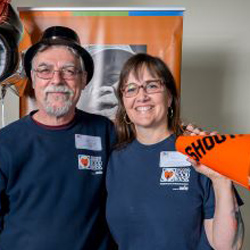 Jill Wilson decided to volunteer with Second Harvest in 2008 when she was in between jobs and looking for a way to apply her talents that could benefit the community. She arrived one day at Second Harvest’s former distribution center in Orange, ready to serve, and felt immediately connected to the mission.
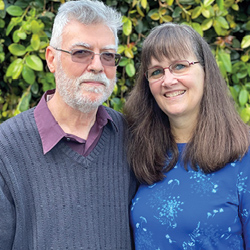 Like Jill and Ian, other friends of the food bank may be looking for ways to connect meaningfully with Second Harvest to help those experiencing hunger in Orange County for years to come. One simple way to make a significant impact, while achieving peace of mind, is by creating a will or revocable living trust with our partner, FreeWill.
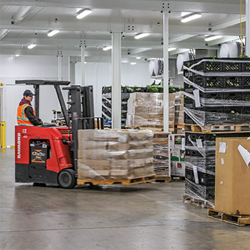 Last spring, here at Second Harvest we completely revamped our focus to proactively purchase fresh nutrition for those in need, ensuring a steady pipeline of protein, dairy, eggs, fruits and vegetables to our approximately 300 partner and program sites. As a next step, we recently unveiled our new, 6,200-square-foot cold storage facility and two additional cold docks that establish a “cold chain” at our distribution center in Irvine. This gives us a total of 14,550 square feet of cold storage, which greatly enhances our ability to source and distribute more nutritious food.
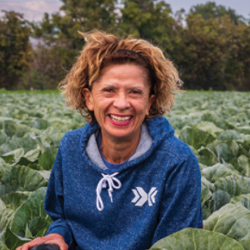 March is National Nutrition Month, an annual awareness campaign that encourages us to learn about nutrition, develop healthy eating habits and discover the fun of being physically active. At Second Harvest Food Bank of Orange County, we strive to provide everyone in Orange County with the nutrition they need to grow and excel in life.
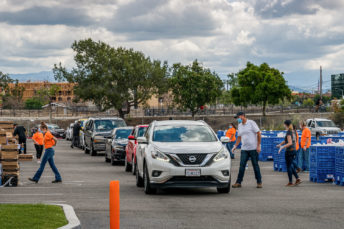 Second Harvest continues to fight increasing food insecurity through our Pop-Up Drive Thru food distributions with the help of many amazing volunteers and it is no surprise that many of them are mothers. Jacqueline is one such volunteer and I wanted to learn more of her story.
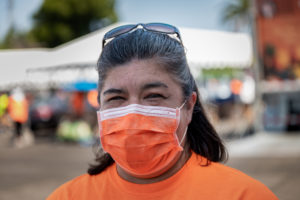 here to volunteer representing other mothers…to give back to the community, to be a role model to my children. As a mother, as a woman, as a friend, as a wife…you have so many hats you have to put on and one of them is giving. When I go home my daughter asks me, “Mom what did you do today?” And I say, “I got to give back to people, people that really don’t have as much as we do.” Hopefully she sees me doing this and then as she gets older, she’ll want to give back just the same way.”
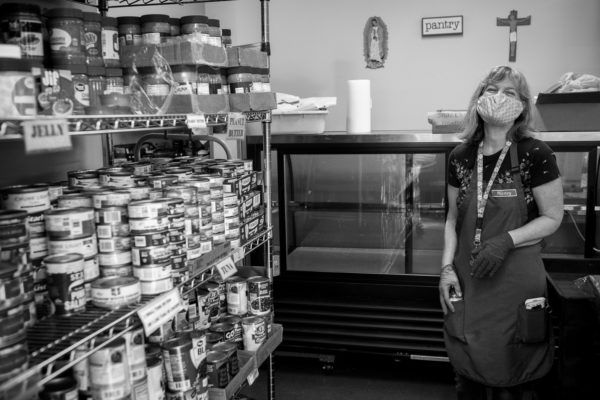 Pantry. Their style traditionally has always been very welcoming and focused on building relationships with those they serve. They would put out coffee and pastries and spend time talking with the families who would come early just to socialize.
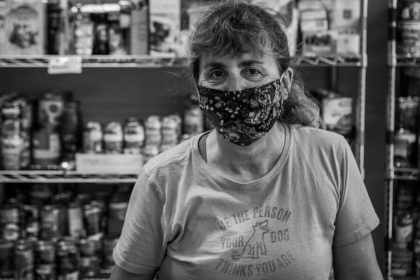 One of Nancy’s key volunteers, Mary Kaye, also shared insights. Mary Kaye is an emergency room doctor who has been spending much of her spare time serving at the Saint Timothy pantry. She began volunteering pre-COVID by taking blood pressures on pantry days and translating for Spanish-speaking clients.. All the changes have her missing conversations and connecting with the families they serve.
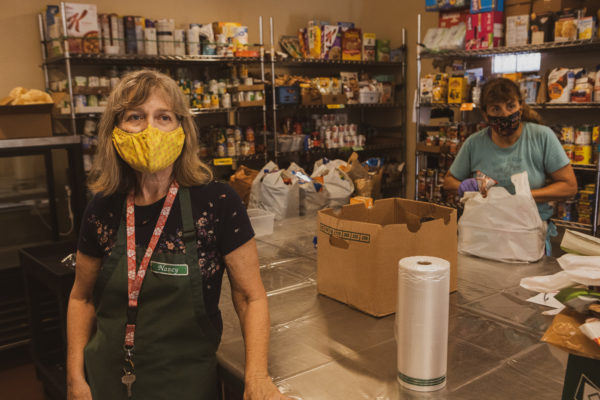 can take your blood pressure soon,” and encouraging them.”
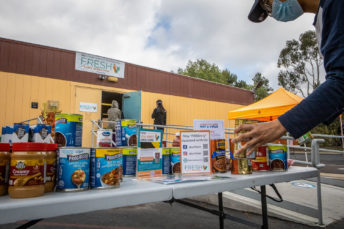 Whatever the situation that keeps students on campus and struggling to feed themselves, the Fresh Basic Needs Hub at UCI remains open to serve them, supported by food from Second Harvest. Student hunger is a serious challenge, made even worse by the pandemic, but Fresh, as it’s called, has the mission to provide for the basic needs of UCI students, allowing them to focus on academics.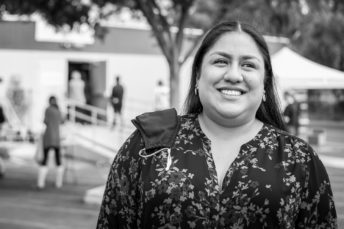
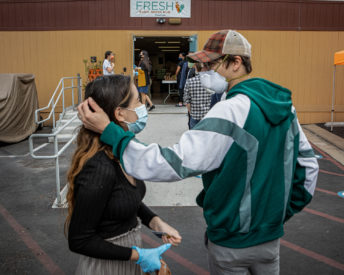 Last week did not feel hopeful. Seeing the injustice of the past few days makes me cringe. It causes me to grieve when I see people treated unfairly or worse. But I’m choosing to move forward with hope. How can I have hope this week? Because I know Andrea and I see how she treats people who sometimes feel trapped. The team at Fresh, and all the other college pantries in Orange County serve as a lifeline for their students, providing for basic needs and offering a dignified experience for everyone who comes to them for help. Their service is a beacon of hope in the darkness.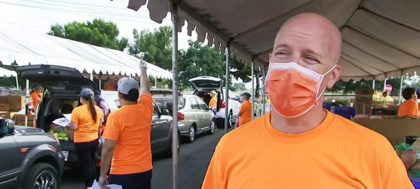
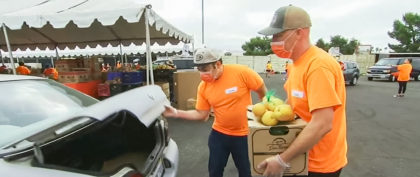 redirected those emotions toward survival and humility. While it was a very difficult decision, Stephen and Kristina decided that in order to make it through this crisis, they would need to receive assistance the first time in their lives. This is what it means to be newly vulnerable.