-
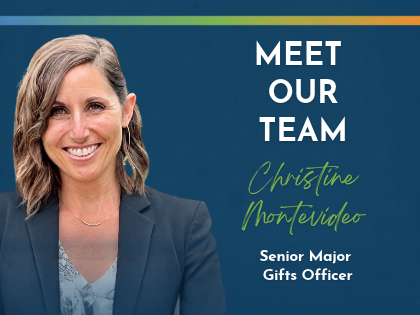
Meet Christine Montevideo: Senior Major Gifts Officer
Meet Chrislynn VanSkiver, Chief Operating Officer at Second Harvest, and learn about her role and how the Food Bank’s operations team moves nutritious food to Orange County with efficiency and dignity! Read More -
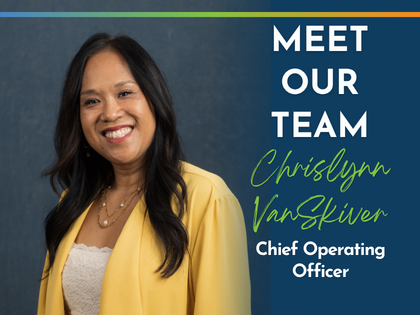
Meet Chrislynn VanSkiver: Chief Operating Officer
Meet Chrislynn VanSkiver, Chief Operating Officer at Second Harvest, and learn about her role and how the Food Bank’s operations team moves nutritious food to Orange County with efficiency and dignity! Read More -
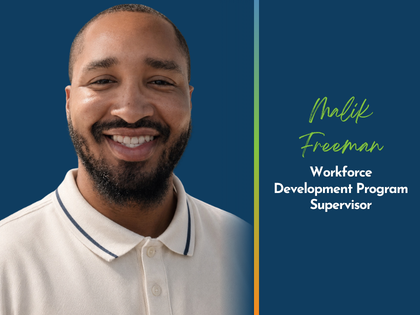
Meet Malik Freeman: Workforce Development Program Supervisor
Meet Malik Freeman, Workforce Development Program Supervisor at Second Harvest, and learn how our workforce development program, College Corps and Cultivate help people build skills, confidence and careers while getting more nutritious food into the community! Read More -
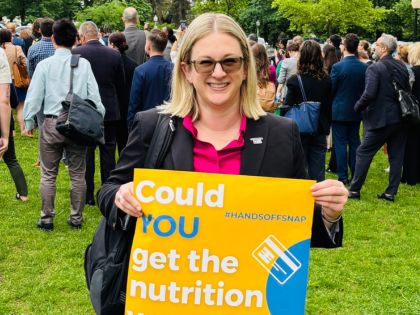
Meet Malia Cary: Director of Government Affairs and Community Relations
Meet Malia Cary, Director of Government Affairs and Community Relations at Second Harvest, and learn about her role and how advocacy helps create an Orange County with food and nutritional security for all! Read More -
The Need Is Growing: New Data Reveals Rising Food Insecurity Across Orange County
Food insecurity in Orange County rose 6% in 2024, with child hunger up 27%. Second Harvest breaks down the latest Map the Meal Gap data. Read More -
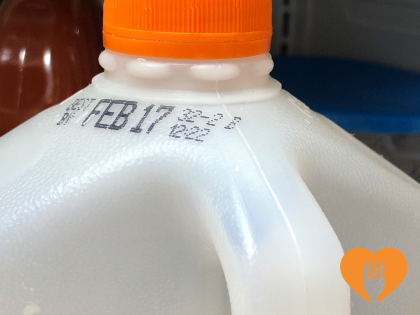
Clearer Labels, Less Waste: What California’s AB 660 Means for Orange County
California's AB 660 replaces confusing food date labels with two clear terms in 2026. See what it means for food waste in Orange County. Read More -
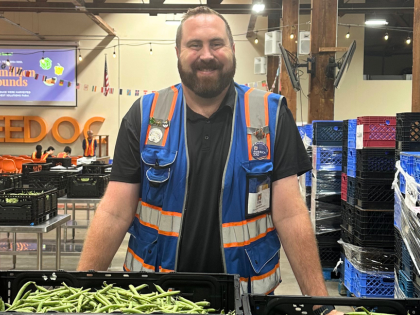
Meet Tim Crosser: Food Processing Supervisor
Meet Tim Crosser, Food Processing Supervisor at Second Harvest, and learn about his role and how volunteers help to create an Orange County with food and nutritional security for all! Read More -
Responding Together: Supporting the Garden Grove Community
See how Second Harvest partnered with local organizations to support the community & provide food assistance during the Garden Grove incident. Read More -
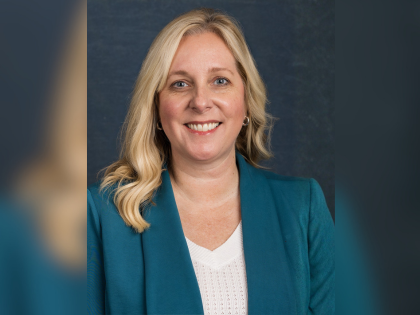
Meet Jennifer Medina: Our Chief People and Culture Officer
Meet Jennifer Medina, Chief People and Culture Officer at Second Harvest, and learn how the her work makes this a great place to work for! Read More
Meet Christine Montevideo: Senior Major Gifts Officer
Meet Christine Montevideo: Senior Major Gifts Officer
What is your role at Second Harvest, and how long have you been with the organization? What first drew you
to the Food Bank?
I’m the Senior Major Gifts Officer. I celebrated 13 years at the Food Bank this past August.
I’ve only worked for two organizations, and both are nonprofits. Before Second Harvest, I worked at Voices for Children, the Court Appointed Special Advocates (CASA) program in San Diego. I grew up in Orange County, and when I got engaged to my husband, I moved back home. I wanted to keep doing nonprofit work here, and my husband really encouraged me to look into the Food Bank because of its important role in the community.
After college, I never had one specific career path in mind. But I always knew I wanted to do good work with
good people. When I came to the Food Bank to interview and learn more about the organization, I felt like I’d found exactly that. 13 years later, I still feel the same way.
You started on the Volunteer team before moving onto the Development team. How did that early time working with volunteers shape the way you build relationships with donors today?
I served as the Volunteerism Manager and that time was so important for me, both for relationship building and for understanding the scale and scope of the operational machine that is the Food Bank.
Volunteers are giving their time, and they might be giving their money, too. Similarly, donors are giving their
money, and they might be giving their time, too. Back then, I was trying to learn what brought volunteers to the Food Bank and what kept them coming back. We had volunteer captains, who are now called our core volunteers, coming two or three days a week and taking on leadership roles. What motivates somebody to do that? I wanted to understand why they were drawn to be there, and how I could support and grow those relationships for the Food Bank.
Similarly, my current role is about understanding what motivates our donors, and how to build on that to advance
the mission. It’s different for everyone, and helping to facilitate that is really special.
What does success look like in your role? How do you know a donor relationship is strong and growing?
Of course, there’s a financial goal for myself and our team, so that’s a big part of it. But the number isn’t what motivates me most. Our team defines success more broadly, and our Board of Directors and leadership recognize that, too.
For me, success is about how people feel when they’re giving. Do they feel good? Do they feel like they know
the Food Bank? Have I engaged with them in the way that they want to be engaged, and deepened their connection with and understanding of the Food Bank, if they want that? Success is being able to tell the story of the Food Bank, and then somebody responding by making a larger gift. That’s hugely successful for everybody.
I see my role as helping make connections. It’s about sharing the Food Bank’s story, building relationships
with people who care about our community, and bringing in the right people from our team to help deepen those connections.
What do you enjoy most about being part of Second Harvest? Is there a favorite memory, or a moment with a donor, that has stayed with you?
The Food Bank is really special to me. It’s like my second family in meaningful ways. When I started here, my husband and I were newly married, and a lot of life has happened while I’ve been at the Food Bank. I’ve had both of my children, and the Food Bank has been extremely flexible with me and my family’s needs. There’s a really strong sense of care that exists here. And it fills my cup of doing good work with good people, hands down.
I enjoy coming to the Food Bank in person and spending time with my coworkers. Since becoming a mom, it’s also
very valuable to me to come to work and feel like I’m making an impact that’s complementary to my home life.
One of my favorite memories at Second Harvest involves a couple who started giving during COVID. They were
interested in learning more about our work, so I invited them to come see the Food Bank firsthand. Some time later, we visited a mobile school pantry. They had already seen and understood the operations behind what we do, but they were blown away to see the work in action: nutritious food getting into the hands of the people who need it. Following that visit, they more than doubled their giving, and to this day, they remain incredibly engaged, always curious about our work and looking for more ways to make a difference.
That moment really stayed with me because it was one of my first big experiences as a major gifts officer. It
reinforced for me that when you take the time to understand donors, meet them where they are, and thoughtfully build those relationships, really meaningful things can happen. That’s one of my favorite parts of this job – helping people express their values and what matters most to them through giving, in ways that are meaningful to them and make a real difference for the Food Bank and our community. It’s pretty special to be a part of that.
A few years ago, your role shifted to be focused specifically on major gifts and planned giving. Why was that shift important for Second Harvest, and what has that dedicated focus made possible for the Food Bank and its donors?
That shift was a significant move for our organization and our department. We have a large community of donors, and many of them have supported us for decades. Some of them give at a higher level or have the capacity to make an even bigger impact. Dedicating a role to building relationships with those donors showed that this was an important direction for the Food Bank’s future.
Our goals are big. This fiscal year, we’re working to distribute 45 million pounds of food, and that takes resources. To get there, we need to raise $17.3 million, which means finding new ways to grow our support. The major gifts officer role is a key part of that strategy. With the Development Department’s eadership and support, my time is protected so I can focus on building relationships with the donors who can help make those goals possible.
But major gift work isn’t just about relationships. It takes a team behind the scenes, too, with data and research that help us understand who our donors are and how to connect with them. Creating my role was also a sign that our Development team had grown enough to support it, and that team is growing even more. A new member of our data team is focused on researching potential donors and helping us manage those relationships. The relationships and the research must work hand in hand. I’ve seen a lot of changes in our department over the years, so having this support in place is a big deal.
Major gift fundraising works on a very different timeline than everyday giving. What does it take to build a relationship with a donor over months or even years, and how do you keep that relationship strong after a gift is made so it feels like a true win-win?
It takes time, effort, thoughtful strategy and organization. I have to be really organized about when I’m going to do what with which person and follow through on what I told them I would do.
Keeping the relationship strong is a lot like keeping a relationship strong with a friend. It’s thinking about what would be meaningful to them, knowing them and honoring their wishes for how they want to be engaged. Some donors prefer to give quietly and skip the events, and that’s totally fine. Others want to get together for coffee regularly. It’s about meeting people where they are.
It also means being a little creative and thinking outside the box. If a donor really loves being connected with our staff, we might send them a quick thank-you video from the people they know here after they make a large gift. Other times, I’ll come across an article or a news update and think, “They’d really be interested in this,” so I’ll share it with them. It’s all about finding thoughtful ways to stay connected, in the ways I’ve learned each donor prefers.
Every donor has their own reasons for giving. How do you get to know what truly motivates someone, and how do you connect that to the work Second Harvest does for community members across Orange County?
We use the word “discovery” a lot. It’s part of how we engage with donors, and it simply means taking the time to learn who they are. It sounds like a fancy word, but it’s really just getting to know people and asking questions.
It starts with doing my homework. Before the first visit with a donor or prospective donor, I prepare with help from our data team so I have a sense of who someone might be. But I never assume anything, because what motivates them might be completely different from what I expect.
From there, it’s about being curious. If I’m giving a tour and we’re talking about our programs for children
and families, I notice whether they ask questions or seem to perk up. I’ll also ask them directly which parts of our work mean the most to them. Sometimes people share their own stories, like a time in their life when they experienced food insecurity themselves.
How do you help donors find the kind of gift that’s meaningful to them and makes the greatest impact?
By and large, most people want to give where they’ll make the biggest impact. So, I help guide the conversation toward why general operating, or unrestricted, support makes such a difference.
Unlike some nonprofits, we don’t run direct programs. At our core, we’re a logistics organization. We serve a
network of partners who share food directly with community members, and our job is to get that food to them. I try to help people understand that, and once they visit and see the scale and scope of what we do, it really clicks.
It’s rare that someone wants to fund one thing and only that thing. Usually, it’s a conversation about where
their gift can make the most impact, and we match that with our greatest need at the time. If someone wants to support our college pantries because they struggled as a college student, we can absolutely make that happen. Those costs are part of our general operating budget anyway, so it’s one slice of the same pie and has the same impact. I love it when donors are that flexible and simply want to make the biggest difference.
Planned giving, like wills, estates and legacy gifts, can feel like a heavy conversation for many people. How do you approach those conversations, and what do you wish more people knew about leaving a legacy gift to a cause they care about?
The planned giving part of my role is newer, and I’m personally really enjoying it. With donors I already work with, the conversation often comes up naturally. They’re already doing so much for the Food Bank, and if they ask what else they could do, I might say, “Have you ever thought about including Second Harvest in your legacy plans?”
Right now, I’m focused on two areas. The first is stewarding for our existing Legacy Society members, the people who have told us they’ve included Second Harvest in their estate plans. The second is reaching long-time existing supporters who might consider including Second Harvest in their plans. For that, we’ve share information about different ways to leave a legacy gift, along with letting them know we have a Legacy Society. Often, more people have included us in their plans than have ever told us. Through this outreach, the Legacy Society has grown a lot. Last year, we started with 25 members and ended with 38, and we’ve already welcomed five more this year. Those might sound like small numbers, but each one represents a lasting commitment to our community.
What do I wish more people knew? Leaving a legacy gift is a really special way to carry on your values. It has a
lasting impact, it helps us continue our work into the future, and it can be truly transformational. The largest gift in the Food Bank’s history was a legacy gift from a woman who had made only a few small donations during her
lifetime. Her attorney recommended she include us in her will. I was on a family vacation in Washington, D.C., when Wayne Stickney, our Chief Development Officer, called to tell me we’d been notified of a $5 million bequest. We had no idea it was coming. That gift gave us the resources to hit the ground running as we launched our three-year 45 by ’27 strategic plan, putting us in a strong position from the very beginning. That’s why we really want to know who has included us, so we can thank them and get to know them now. We wish we could have gotten to know this particular donor while she was alive so we could share our gratitude and communicate how impactful her legacy gift would be. Building those relationships today is one of the biggest goals of our planned giving program.
You’ve seen how philanthropy works up close for more than a decade. What’s one thing about major or legacy giving that you think would surprise people?
I think people would be surprised by how long-term this work really is. It’s a long-term investment, for both the donor and the Food Bank. There’s one donor I’ve stayed connected with for about eight years. Over that time, I shared different opportunities with them, and none were quite the right fit. But we kept building the relationship, and they recently committed a gift. There are plenty of short-term wins along the way, but so much of this work happens over years, not months.
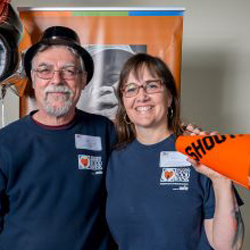 Jill Wilson decided to volunteer with Second Harvest in 2008 when she was in between jobs and looking for a way to apply her talents that could benefit the community. She arrived one day at Second Harvest’s former distribution center in Orange, ready to serve, and felt immediately connected to the mission.
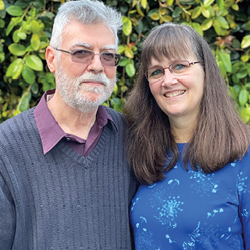 Like Jill and Ian, other friends of the food bank may be looking for ways to connect meaningfully with Second Harvest to help those experiencing hunger in Orange County for years to come. One simple way to make a significant impact, while achieving peace of mind, is by creating a will or revocable living trust with our partner, FreeWill.
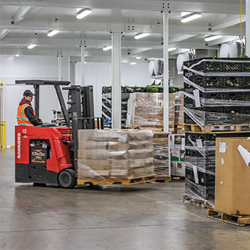 Last spring, here at Second Harvest we completely revamped our focus to proactively purchase fresh nutrition for those in need, ensuring a steady pipeline of protein, dairy, eggs, fruits and vegetables to our approximately 300 partner and program sites. As a next step, we recently unveiled our new, 6,200-square-foot cold storage facility and two additional cold docks that establish a “cold chain” at our distribution center in Irvine. This gives us a total of 14,550 square feet of cold storage, which greatly enhances our ability to source and distribute more nutritious food.
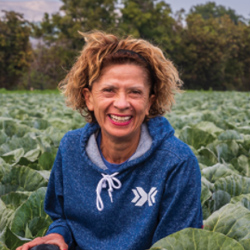 March is National Nutrition Month, an annual awareness campaign that encourages us to learn about nutrition, develop healthy eating habits and discover the fun of being physically active. At Second Harvest Food Bank of Orange County, we strive to provide everyone in Orange County with the nutrition they need to grow and excel in life.
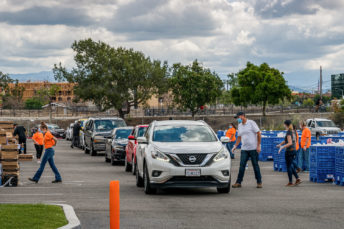 Second Harvest continues to fight increasing food insecurity through our Pop-Up Drive Thru food distributions with the help of many amazing volunteers and it is no surprise that many of them are mothers. Jacqueline is one such volunteer and I wanted to learn more of her story.
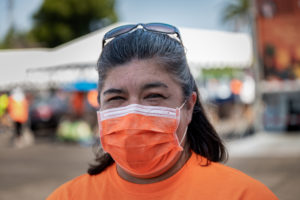 here to volunteer representing other mothers…to give back to the community, to be a role model to my children. As a mother, as a woman, as a friend, as a wife…you have so many hats you have to put on and one of them is giving. When I go home my daughter asks me, “Mom what did you do today?” And I say, “I got to give back to people, people that really don’t have as much as we do.” Hopefully she sees me doing this and then as she gets older, she’ll want to give back just the same way.”
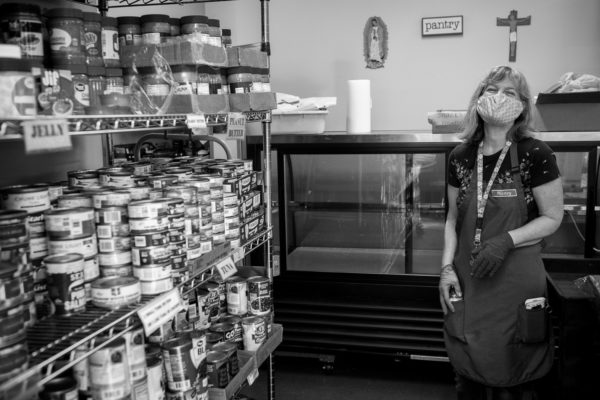 Pantry. Their style traditionally has always been very welcoming and focused on building relationships with those they serve. They would put out coffee and pastries and spend time talking with the families who would come early just to socialize.
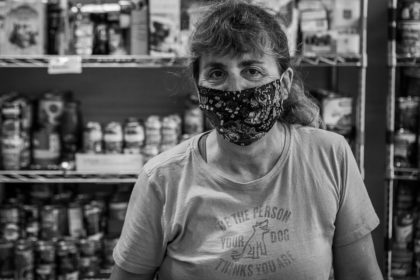 One of Nancy’s key volunteers, Mary Kaye, also shared insights. Mary Kaye is an emergency room doctor who has been spending much of her spare time serving at the Saint Timothy pantry. She began volunteering pre-COVID by taking blood pressures on pantry days and translating for Spanish-speaking clients.. All the changes have her missing conversations and connecting with the families they serve.
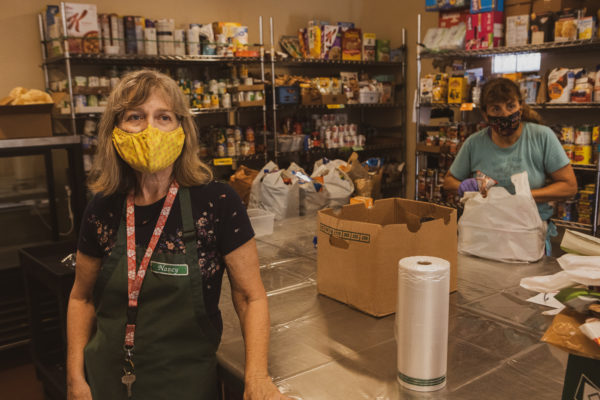 can take your blood pressure soon,” and encouraging them.”
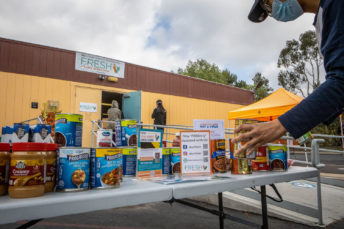 Whatever the situation that keeps students on campus and struggling to feed themselves, the Fresh Basic Needs Hub at UCI remains open to serve them, supported by food from Second Harvest. Student hunger is a serious challenge, made even worse by the pandemic, but Fresh, as it’s called, has the mission to provide for the basic needs of UCI students, allowing them to focus on academics.
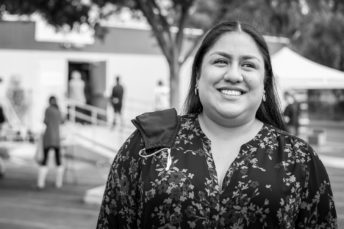
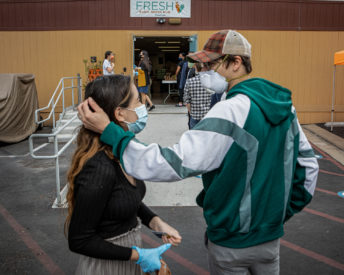 Last week did not feel hopeful. Seeing the injustice of the past few days makes me cringe. It causes me to grieve when I see people treated unfairly or worse. But I’m choosing to move forward with hope. How can I have hope this week? Because I know Andrea and I see how she treats people who sometimes feel trapped. The team at Fresh, and all the other college pantries in Orange County serve as a lifeline for their students, providing for basic needs and offering a dignified experience for everyone who comes to them for help. Their service is a beacon of hope in the darkness.
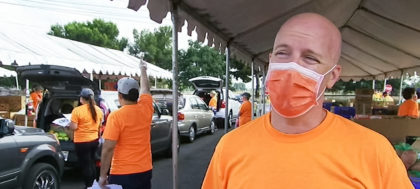
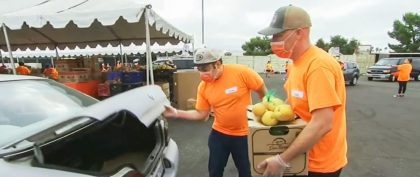 redirected those emotions toward survival and humility. While it was a very difficult decision, Stephen and Kristina decided that in order to make it through this crisis, they would need to receive assistance the first time in their lives. This is what it means to be newly vulnerable.